Understanding Bullion Logistics
A Gold Bar Carries More Than Its Weight — It Carries A Compliance Obligation
Gold and silver coins and bars are not like other goods. Every piece produced at a refinery has a verified purity and weight stamped on it — making each piece a financial instrument as much as a physical object. Moving them from the refinery to the end buyer requires logistics that understands both.
India is one of the world's largest consumers of gold and silver. Every year, hundreds of tonnes of bullion move through a regulated supply chain — from overseas mines to refineries, from mints and import points to wholesalers, dealers, retailers, and investment product sellers. This includes gold and silver in the form of bars, coins, and mint products used for investment, gifting, and industrial applications.
The movement of precious metals is governed by strict regulatory requirements. Only authorised agencies — including government bodies and other notified authorities — are permitted to import and move bullion commercially. Every shipment above defined thresholds requires proper documentation, tax compliance, and electronic reporting where applicable. The value declared in transport documents must reflect the current market rate, ensuring transparency and compliance at every step.
"When you are moving 10 kilograms of gold bars, the difference between a secure, documented movement and an informal one is not just about safety. It is about regulatory compliance, insurance validity, and audit readiness."
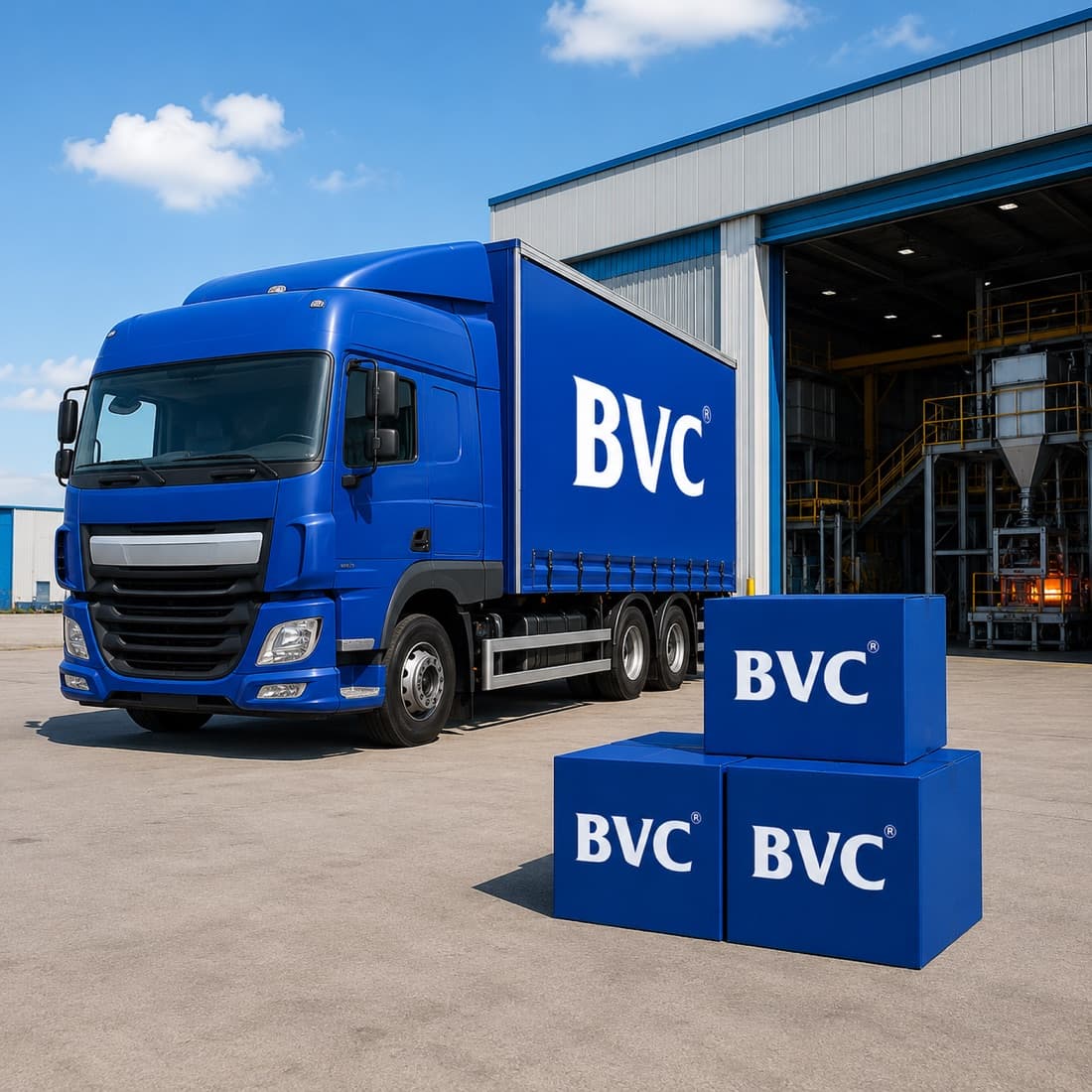
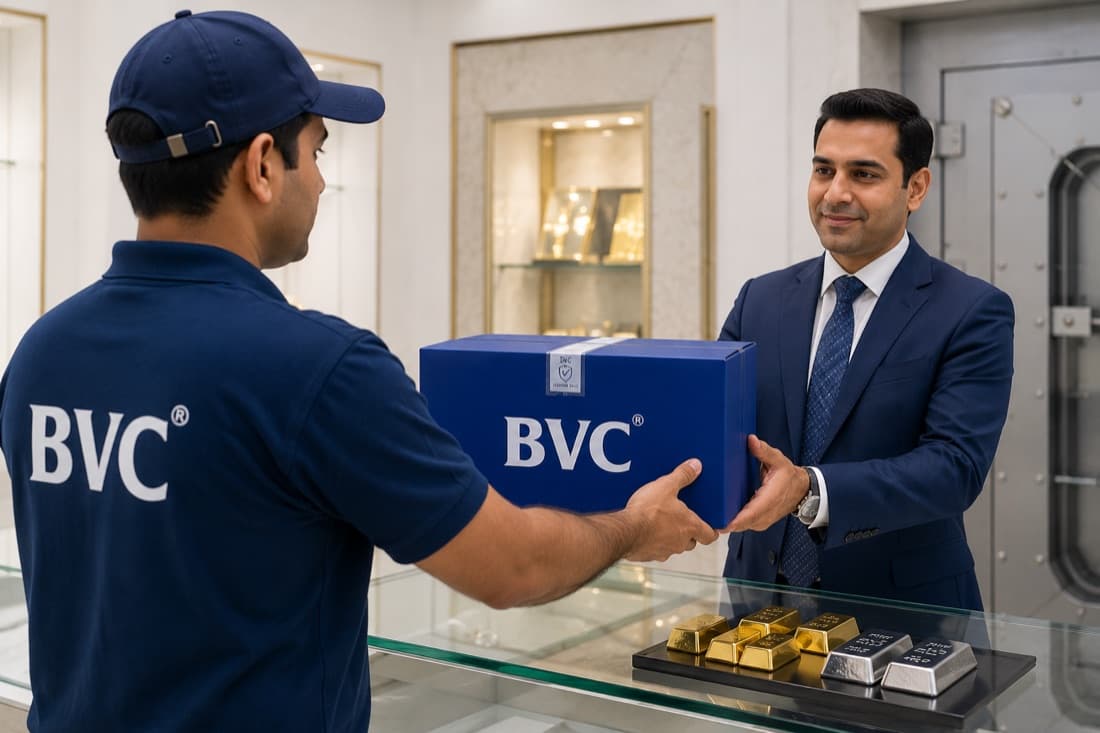
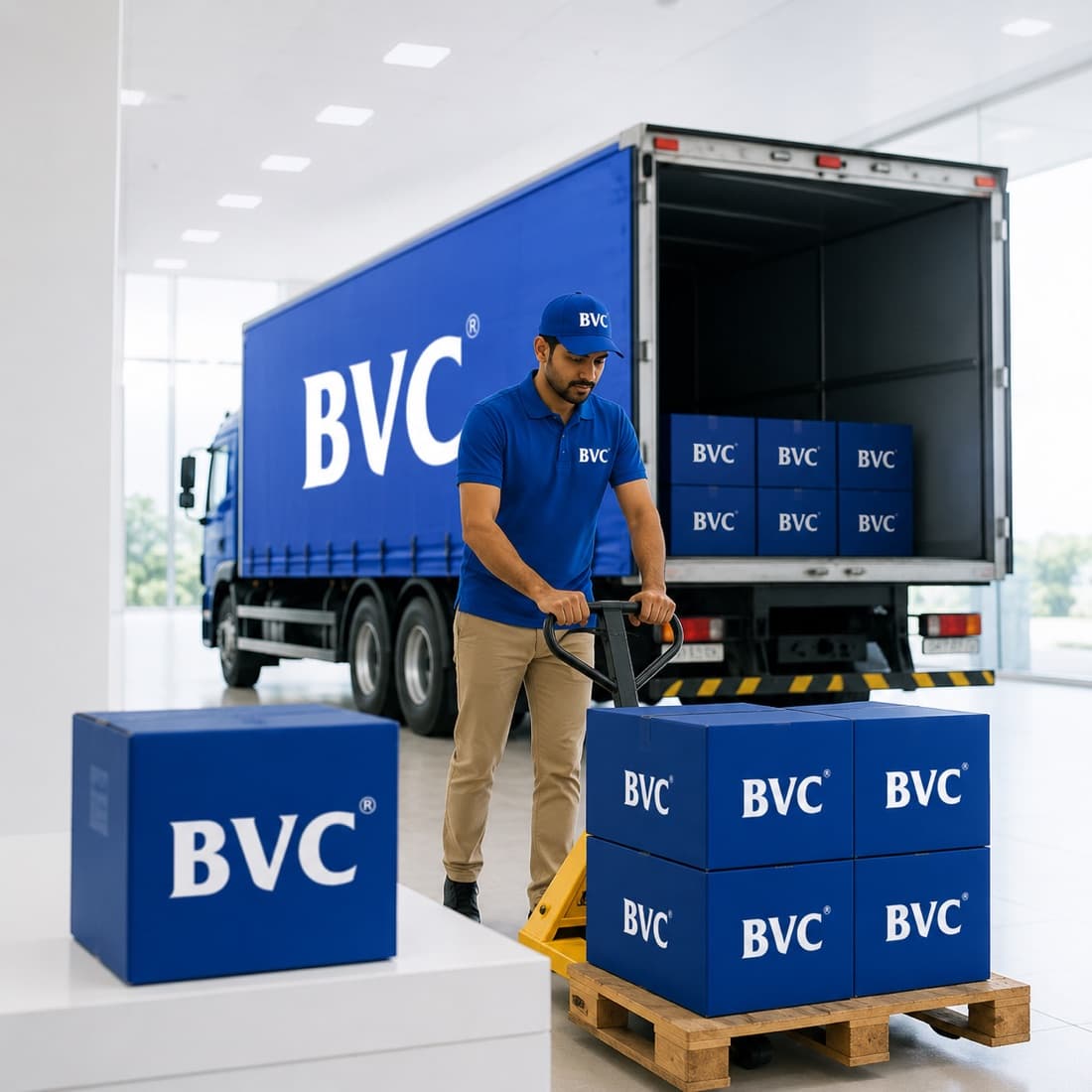
At BVC, we understand how India's bullion supply chain works — from the refinery, through dealers, to the retail counter. We manage every stage with the security, documentation, and compliance that this supply chain demands. Our teams are trained to handle bullion specifically — not to treat gold bars the same way as general cargo.