Old Jewellery, Broken Pieces, Manufacturing Dust — Every Gram Still Holds Value

We manage the secure collection, consolidation, and movement of scrap gold and silver from businesses to refineries for recovery and recycling across India.

Understanding Scrap Gold Logistics

Every Gram Of Scrap Gold Is Inventory — On Its Way Back To Pure Metal

An old necklace returned in a customer exchange, a tray of polishing dust from a karigar's workshop, a batch of broken rings from a retailer's unsold stock — these are not discarded goods. Each one is gold waiting to be recovered. Moving scrap gold and silver from where it accumulates to where it can be refined is a logistics problem with its own specific demands: multiple pickup points, mixed material forms, and the constant need to know that every gram that left is every gram that arrived.

India recycles hundreds of tonnes of old gold every year. Jewellery chains run organised exchange programmes. Manufacturing workshops send back production residue every week. Gold buying outlets aggregate old ornaments purchased from walk-in customers. All of this material flows — in small and large quantities, from dispersed locations — to a relatively small number of licensed refineries where it is melted, assayed, and returned as pure metal or fresh bullion.

The logistics of this flow is often the weakest link. Scrap gold is high-value, low-visibility material — easy to under-secure, easy to under-document, easy to lose a gram of without anyone being able to say where the gram went.

"The moment scrap gold leaves a store's counter, every gram must be weighed, sealed, and signed for. Because if it is not, you are not moving value — you are hoping value arrives."

At BVC, we manage scrap gold and silver logistics the way the material deserves — as financial inventory in transit. Purpose-built protocols for dust, filings, old jewellery, and mixed-purity material. Documented handovers at every pickup point. Tamper-proof packaging with unique identifiers. Secure consolidation in BVC strong rooms. GPS-monitored transport to refineries with full insurance throughout. Every gram that left a store is a gram the refinery weighs in.

Who We Serve — 01

Jewellery Retailers & Chains

Jewellery showrooms and chains collecting old gold from customer exchange programmes, broken stock, and unsold designs — ready for refinery recovery and re-use as pure metal.

Who We Serve — 02

Manufacturing Workshops

Jewellery manufacturing units and karigar workshops generating gold and silver dust, filings, polishing residue, and off-cuts — where every gram recovered from scrap flows back into the business.

Who We Serve — 03

Gold Buyers & Recyclers

Organised gold buying chains, cash-for-gold outlets, and precious metals recyclers collecting old jewellery and mixed-purity material for aggregation and refinery processing.

Approach Comparison

What Goes Wrong In Scrap Gold Logistics — And How BVC Does It Differently

Scrap gold logistics is where corners get cut and value leaks. Here is what typically goes wrong with a generic approach — and what BVC does instead.

Packaging For Mixed-Form Scrap

Common Problem

A karigar workshop sends polishing dust, filings, and a few broken pieces in a reused plastic bag with a rubber band. During transit the bag tears inside a shared cargo bin. Some of the dust leaks into the bin. The refinery receives less than what the workshop dispatched. There is no way to reconstruct what was lost.

BVC Way

BVC uses purpose-built tamper-proof packaging for scrap gold and silver — separate formats for dust and filings, broken jewellery, and mixed-purity material. Each packet carries a unique identifier and tamper-evident seal. Dust stays contained. Seals cannot be reopened without detection. The refinery receives exactly what was sealed.

Multi-Location Pickup Coordination

Common Problem

A gold buying chain with 30 outlets across a state relies on individual store managers to arrange their own scrap dispatch to the refinery. Some use couriers, some use an in-house runner, some delay for weeks waiting to accumulate more material. The chain has no central view of what has moved, what is still at store, or what is in transit. Reconciliation at head office is a month-end exercise with gaps.

BVC Way

BVC designs a central collection plan covering every outlet — scheduled pickups, consolidation at a BVC facility where efficient, and onward refinery dispatch with one unified custody record. The head office knows every packet's status.

Insurance On Scrap Material In Transit

Common Problem

A recycler moves 3 kg of mixed gold scrap from an aggregation point to the refinery using a general high-value courier. The courier's standard insurance is limited per consignment and does not value scrap at the current gold rate. If anything happens in transit, the recovery does not cover the real market value of the gold content.

BVC Way

Every scrap gold and silver shipment moves under full insurance coverage valued as per invoice given by shipper — not a token consignment value. The insurance is aligned to the secure handling protocol used, so coverage is valid from the moment the seal closes at pickup to the moment the refinery signs acceptance.

Refinery Acceptance Documentation

Common Problem

A consolidated scrap shipment reaches the refinery. The refinery expects packet-level records showing origin store, pickup date, weight, and seal ID for each packet. The transporter has only a single delivery challan for the whole batch. The refinery holds back acceptance until the client provides the missing documentation — delaying the assay and the client's recovery payment.

BVC Way

Every scrap consignment arrives at the refinery with complete packet-level documentation: origin, date, weight, seal ID, consolidation record, and transit chain-of-custody. Refinery acceptance is clean on the first pass. The client's assay and recovery payment are not held up by missing paperwork.

How It Works

From Store Counter To Refinery Gate — Every Step

Click each step to understand what BVC does at that stage of the scrap gold and silver recovery flow.

Before a single pickup happens, BVC maps the client's collection network — store locations, workshop volumes, material forms (dust, filings, broken jewellery, old ornaments, mixed-purity pieces), typical accumulation cycles, and documentation requirements from the refinery on the receiving end.

From that map, BVC designs a secure, efficient pickup and transport plan — including frequency of collection at each point, whether consolidation is needed, the refinery routing, and the documentation format that will accompany every packet. The plan is reviewed with the client before operations begin.

What Planning Covers

  • Collection point mapping
  • Material type & volume assessment
  • Pickup schedule design
  • Refinery routing plan
  • Documentation format agreed

What BVC Brings

Capabilities Built For Scrap Gold And Silver Recovery

Understand what each capability means for jewellery chains, workshops, gold buyers, and recyclers moving scrap precious metals to refineries.

01.

Secure Multi-Location Collection

Planned, documented pickup across dispersed networks.

BVC plans and executes multi-location pickup from jewellery stores, workshops, gold buying outlets, and businesses across India — with documented handovers and per-location custody records at every point.

02.

Specialised Handling For Scrap & Mixed Materials

Purpose-built protocols for dust, filings, and broken jewellery.

Our purpose-built protocols for collection and transport of scrap gold, old jewellery, dust, filings, and mixed-purity precious metals ensure safe handling regardless of the form the material comes in. Dust stays contained. Broken pieces are packed to preserve every gram. Mixed-purity material is documented to match refinery assay formats.

03.

Cost-Effective Consolidation

BVC strong room consolidation for high-volume and dispersed networks.

Collections from different locations are securely consolidated at BVC facilities for onward movement to the refinery — reducing transport cost and improving efficiency for businesses with dispersed collection networks, without losing per-packet traceability through the consolidation step.

Indian Regulatory Context

What Scrap Gold Logistics In India Has To Work Within

Scrap gold movement intersects with GST rules, refinery licensing, and hallmarking regulation. Getting the logistics documentation right is what keeps the client's tax, audit, and regulatory position clean.

GST On Scrap Gold & Reverse Charge

Scrap gold transactions in India attract GST (as of 2026). Where an unregistered supplier (such as an individual exchanging old jewellery at a store) is involved, reverse charge mechanism (RCM) provisions apply to the registered recipient. Transport documentation must reflect the correct GST treatment based on who the supplier is — and BVC's documentation formats are structured to support the client's GST position.

E-Way Bills For Inter-State Scrap Movement

Inter-state movement of gold scrap above Rs. 50,000 requires an e-way bill under GST rules. Several states have additionally notified intra-state e-way bill requirements for precious metals above Rs. 2 lakh under CGST Rule 138F (notified from August 2023). BVC generates the correct e-way bill for every scrap movement where the thresholds are met.

PMLA And KYC Obligations On Gold Dealers

Dealers in gold and precious metals are reporting entities under the Prevention of Money Laundering Act (PMLA), with KYC and transaction reporting obligations for scrap gold transactions above notified thresholds. The client's records — supplier identity, transaction value, and material origin — feed into these obligations. BVC's documentation is structured so transport records integrate cleanly with the client's PMLA compliance trail.

Our Industries

Check Other Industries

Explore Gold & Silver Logistics
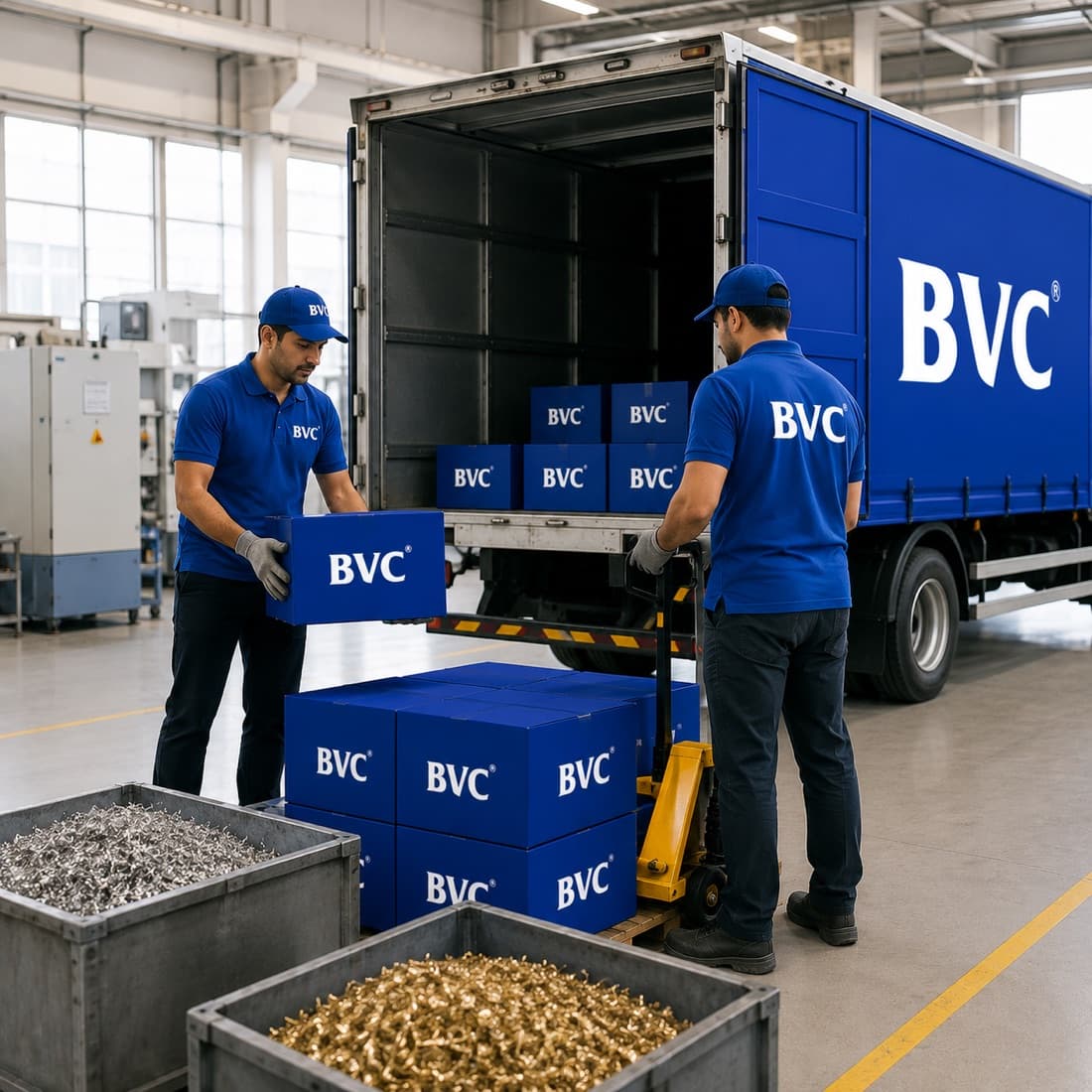
BVC crew loading sealed BVC boxes into a truck inside a factory beside bins of industrial gold and silver scrap

Industrial Byproduct Recovery

Moving gold and silver byproducts from factories and industrial units to refineries for recovery — with specialised handling and full chain-of-custody records.

View More...
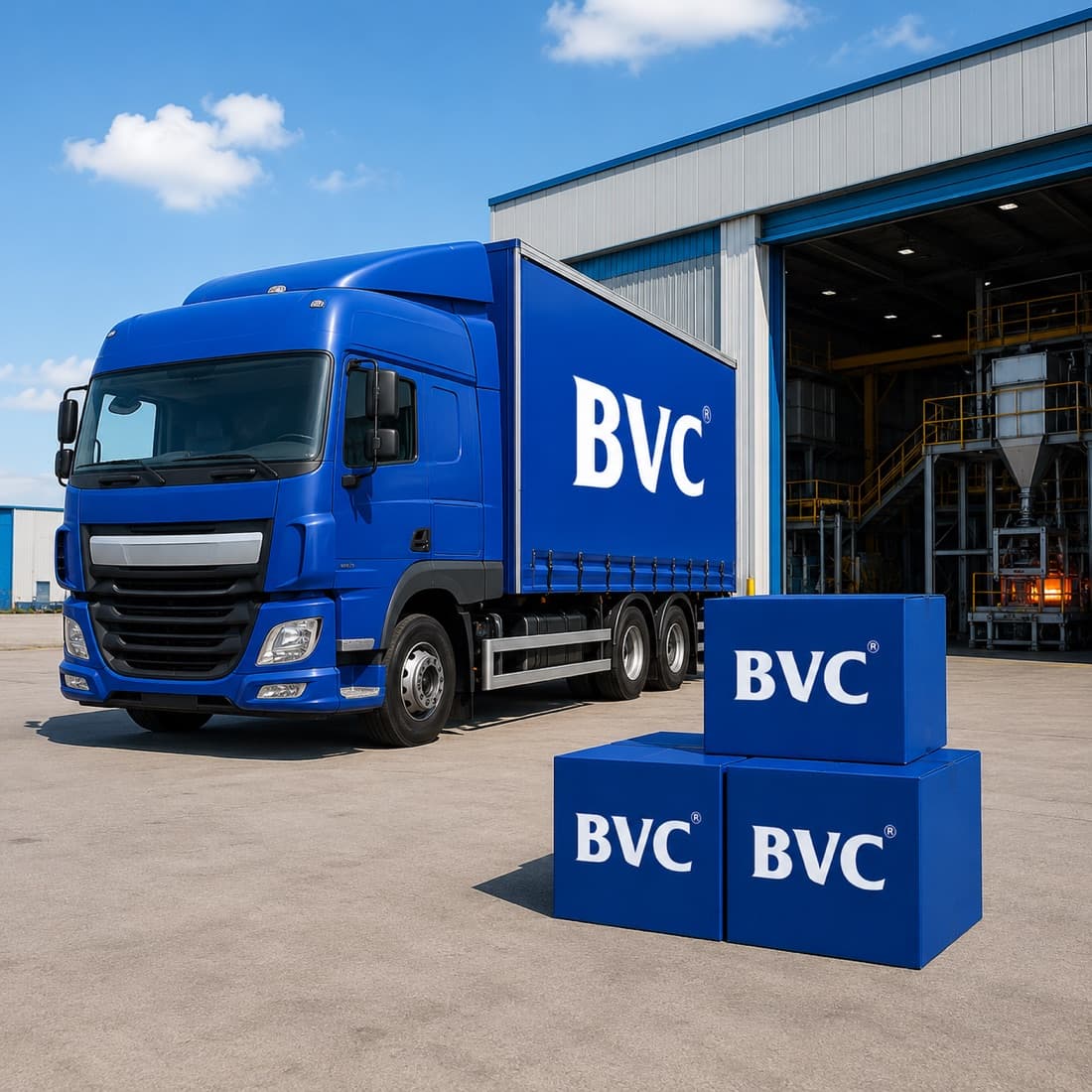
BVC truck and stacked BVC boxes outside a refining and smelting facility

Refining & Smelting Logistics

End-to-end bullion movement for refining and smelting operations across India — from raw material pickup to final bullion delivery.

View More...
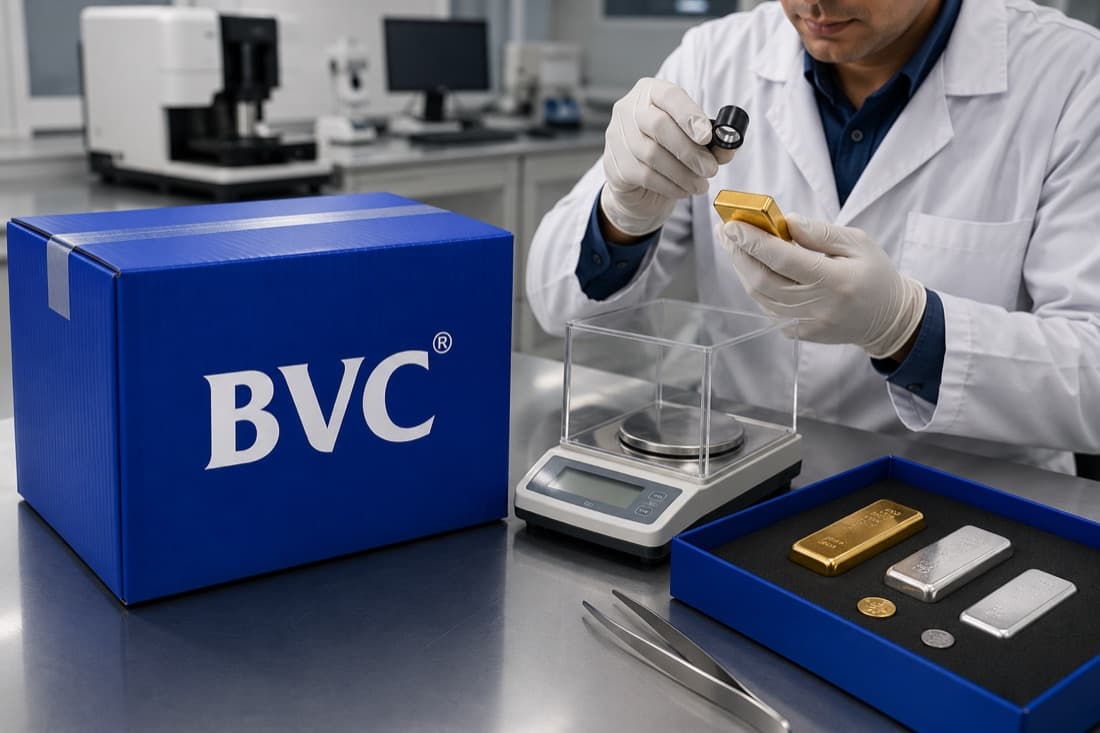
Lab technician inspecting a gold bar with a loupe beside a precision scale, gold and silver bars and a sealed BVC box

Purity Testing Lab Logistics

Secure round-trip logistics for gold and silver assay, certification, and BIS hallmarking across India — for jewellers, manufacturers, and bullion dealers.

View More...

Have Questions?
Find Your Answers Here

Everything you need to know about moving scrap gold and silver to refineries with BVC. Can't find your answer? Reach out and our team will help.

Ask Your Question
  • Yes. BVC operates across 600+ cities and routes scrap gold and silver from dispersed locations — store counters, karigar workshops, gold buying outlets — to licensed refineries. Multi-location pickup is coordinated under a single collection plan so businesses with networks across multiple states can work with one logistics partner end-to-end.

Talk To A Scrap Gold Logistics Specialist

We work with jewellery chains, manufacturing workshops, gold buyers, and precious metals recyclers moving scrap gold and silver to refineries across India — with secure collection, consolidation, and full documentation at every stage.