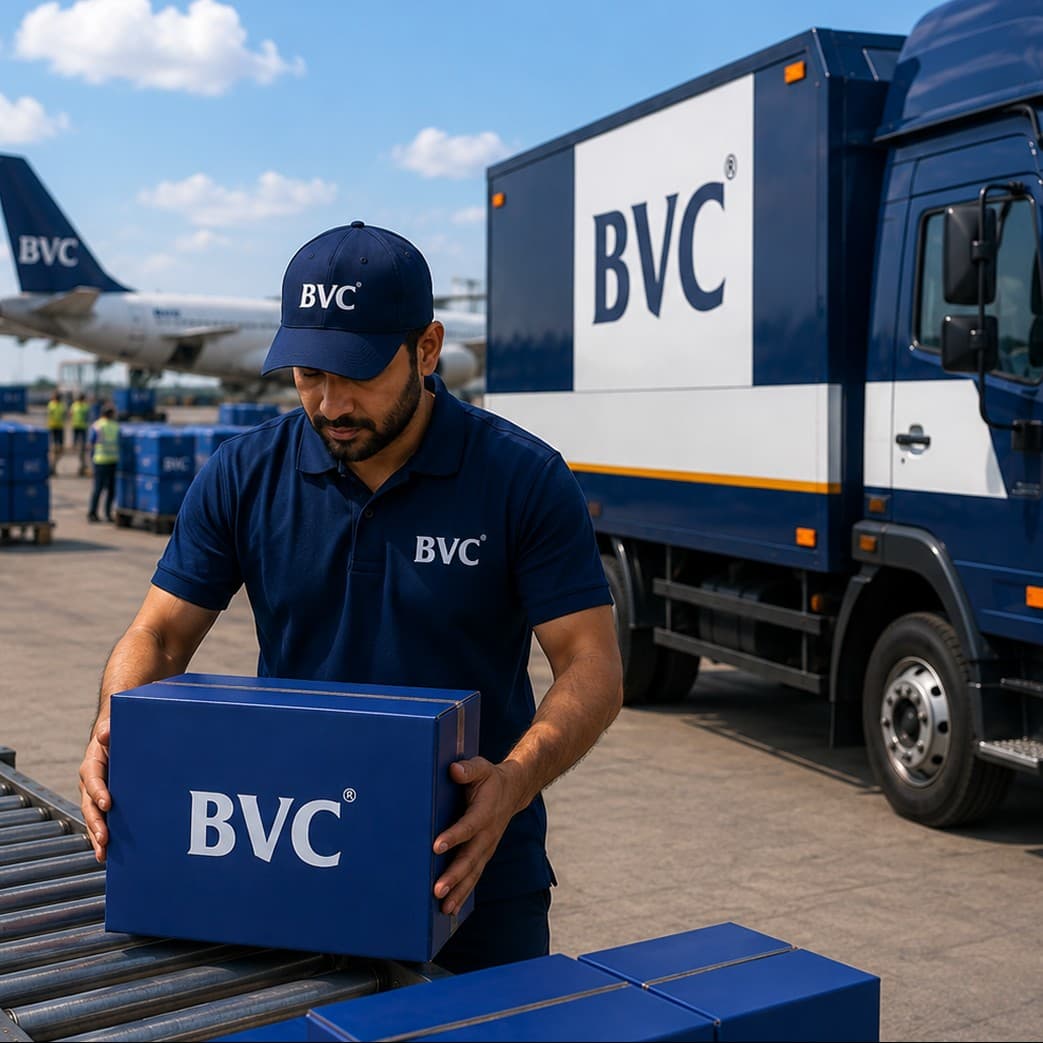
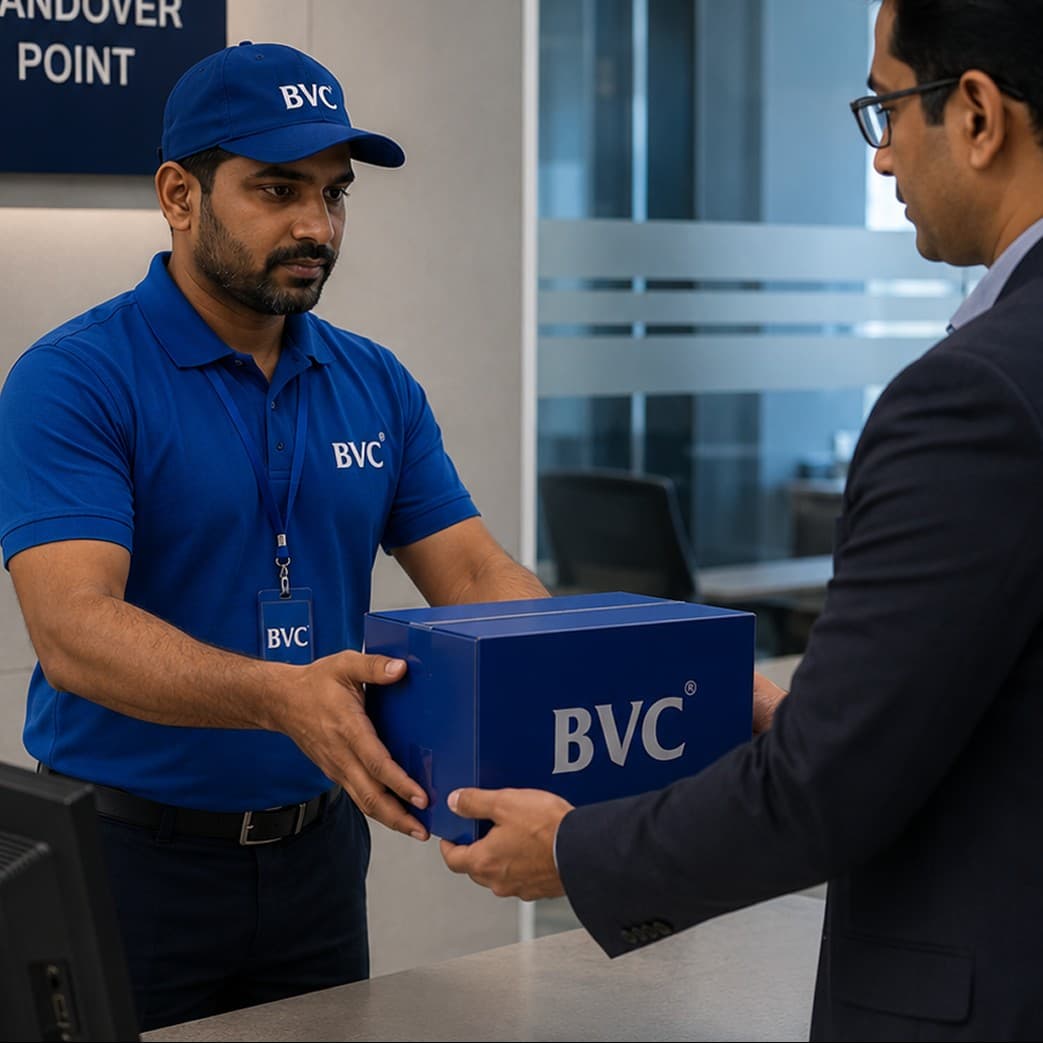
Mine to Mumbai. Auction. Back to mine. Then mine to buyers — once the loop is closed.

Argyle pink diamonds flew into India for auction display. After bids in Mumbai, the shipment was re-exported, with final deliveries handled separately — all managed end to end by BVC.

1

Re-export of shipment after auction

100%

Final mine-to-buyer allocation reach

India + Global

Exclusive customs & movement partner

The Context — Why An Auction Is Not An Import

The diamonds came in to be shown. Not to be sold.

Before the story, here is the simple version of what changes the moment a high-value collection lands in India for an international auction. The auction is a viewing, not a sale. The customs treatment, the paperwork and the chain of custody all have to recognise that — or the entire movement turns into something it was never meant to be.

THINK OF IT LIKE THIS

A mining company sits on a parcel of Argyle pink diamonds in Australia. The buyer market is global — diamantaires in India, the Far East, Europe, the US. Instead of running ten regional auctions, the consignor decides to bring the entire parcel into India for a single auction event, where invited diamantaires fly in from across the world to inspect and bid.

But here is the part most people miss. Bringing diamonds into India for an auction is not the same as importing them. The goods are not being sold to an Indian buyer at the airport. They are being brought in temporarily, kept under bond, displayed, bid on — and then re-exported back to the mine before any allocation to actual buyers happens.

If the customs treatment is even slightly wrong, the temporary import collapses into a regular import. That triggers full duty exposure on goods that were never sold in India, breaks the temporary structure, and creates a paperwork knot that follows every onward movement. This is why the consignor doesn't pick a regular freight forwarder for an auction movement. They pick a customs and chain-of-custody specialist.

If Treated Like A Regular Import

Wrong structure, wrong duty, broken chain

  • Goods enter on a sale-style import — full duty exposure
  • Re-export afterwards becomes an awkward refund / drawback claim
  • No clean separation between "shown" and "sold" goods
  • Allocation to global buyers gets tangled with the original entry
  • Any timing slip risks converting a tender into a taxable sale

If BVC Runs It As A Temporary Import

One continuous chain, one accountable partner

  • Temporary export from the mine on the correct paperwork
  • Temporary import into India — no unnecessary duty exposure
  • Bonded movement to the auction venue with chain-of-custody intact
  • Auction held without any ownership transfer at the venue
  • Full re-export of the shipment to the mine — loop closed
  • Mine-to-buyer fresh shipments dispatched only after the return

The Real Story

An Australian mine. An Indian auction. One specialist customs partner across every leg.

SCENE 01

A mining company holding Argyle pink diamonds wanted to run an auction in India. The collection had to leave the mine in Australia, clear into India, sit through a Mumbai auction without changing hands, and return to the mine — before any of the winning diamantaires could actually receive a single stone. The consignor evaluated their options and exclusively assigned BVC Logistics as the customs clearance and movement partner for the entire loop.

The Problem

"This isn't a sale. This is a viewing. Treat the customs that way."

A regular import-export player can move boxes across borders. But an international auction movement doesn't behave like a regular import. The shipment has to enter India under a temporary structure, stay clearly identified as "for tender", move under bond, sit through the auction without any ownership transfer, and re-export back to the mine within the prescribed window — all on perfectly aligned paperwork.

The bigger worry was not the security — Argyle parcels move under heavy security as a baseline. The worry was the customs structure. One mismatched declaration, one missed deadline on the temporary import window, and the entire loop would collapse into a regular import with full duty exposure on goods that were never sold in India. The consignor needed a partner who builds the customs spine first, and the security wraps around it.

Why customs expertise is the real moat in auction logistics

The diamantaires showing up in Mumbai aren't worried about whether the diamonds will arrive — every serious player can move stones. They are worried about whether the paperwork will hold. Whether the temporary import will stay temporary. Whether their eventual allocation, weeks later, will travel cleanly to their country without inheriting a customs problem from the auction event. That entire trust chain rests on whoever signs the customs side of the movement. That is why the consignor chose BVC.

They wanted the entire loop run as one continuous, customs-coherent movement — pickup at the mine, temporary export, temporary import into India, bonded run to the auction venue, custody at the venue through the auction, re-export to the mine, and finally the post-return allocation to winning buyers as fresh, separate shipments.

What BVC Did — Step by StepSCENE 02

We ran the entire loop on one customs spine — mine, auction, mine, then buyers.

1

Pickup at the mining company in Australia

BVC arranged the secure pickup directly from the mining company's premises in Australia. The shipment was sealed, documented, and entered into a single chain of custody at origin — the same chain that would carry through to Mumbai and back.

2

Verified all export documentation for a temporary movement

Before the goods left Australia, every export document was reviewed against a temporary-export structure — not a sale. This is the part that protects everything downstream. Get this right and the rest of the loop holds; get it wrong and the entire customs structure later breaks.

3

Shipment moved under a temporary export structure

The diamonds left Australia under a temporary export declaration — explicitly recognising that the goods were going out of the country for an auction event and would return. No sale was being executed at the point of export.

4

Customs clearance into India as a temporary import

On landing in India, BVC handled the customs clearance under a temporary import structure for an auction / tender event. This avoided unnecessary duty exposure that would have applied to a regular import, and kept the goods clearly identified as "in India for an auction, not for sale".

5

Ensured full compliance and avoided unnecessary duty exposure

Every declaration, every supporting document, every timeline against the temporary import window was monitored by BVC's customs team. Compliance wasn't a checkpoint at the airport — it was a continuous review that ran from the moment the goods entered India until the moment they re-exported.

6

Secure movement to the auction venue in Mumbai

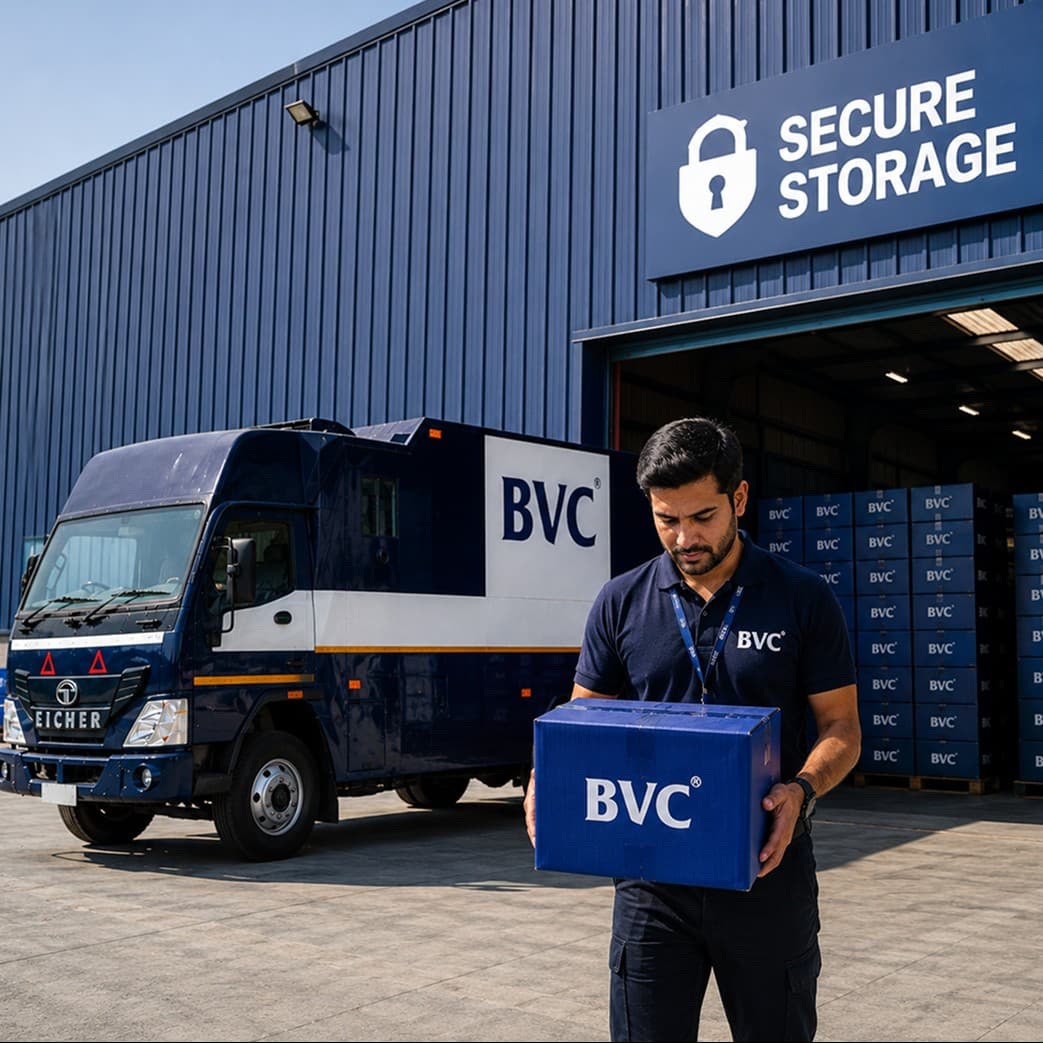
The cleared shipment was moved under bond and under armed secure transport from the customs point to BVC's Mumbai facility, where the auction was hosted. Full documentation and chain-of-custody travelled with the consignment — nothing was left at any handover.

7

Auction / tender event hosted with no ownership transfer

Diamantaires from multiple regions attended the auction in Mumbai. Bids were placed and recorded. Lots were tagged to winning bidders. But importantly — and by design — no ownership of the goods was transferred at the venue itself. The shipment continued to belong to the original consignor.

8

Re-export of the entire shipment back to Australia

Once the auction concluded, BVC handled the full re-export back to Australia — same chain of custody, full documentation, and within the prescribed temporary-import window. The customs loop closed cleanly: temporary in, temporary out, no residual duty exposure.

9

Reverse logistics & documentation handled end-to-end

The post-auction return wasn't just a flight back — it was paperwork, customs declarations on both sides, secure transport, insurance cover, and a reconciled set of records that mapped every lot from pickup through auction back to the mine. BVC owned every line of that reconciliation.

10

Final mine-to-buyer movements, executed only after the return

With the temporary loop closed, the consignor allocated each winning lot to its buyer and dispatched fresh, separate shipments — under regular import or export structures, with their own paperwork — to diamantaires in India and globally. The mine-to-buyer flow could only begin once the auction return was complete, and that's exactly how it ran.

What The Auction Loop Movement Covers

  • Secure pickup from the mining company in Australia
  • Temporary-export documentation verified at origin
  • Customs clearance into India as temporary import
  • Compliance monitoring through the auction window
  • Bonded movement to the Mumbai auction venue
  • Custody at the venue during inspection and bidding
  • Full re-export of the shipment to Australia
  • Chain-of-custody preserved across every handover
  • No ownership transfer recorded at the venue itself
  • Mine-to-buyer fresh shipments after return — India & global
The 3-Stage LoopSCENE 03

Mine. Mumbai. Mine. Buyers — in that order, never another.

AU

Mine, Australia

Stage 1 · Origin Pickup

BVC's secure pickup at the mining company's premises. All export paperwork verified for a temporary movement. Shipment sealed and entered into a single chain of custody — the same one that would carry through to Mumbai and back.

Temporary export · Australia

IN

Mumbai, India

Stage 2 · Auction Venue

Cleared as a temporary import for an auction / tender event. Moved under bond to BVC's Mumbai facility. Diamantaires attended from multiple regions. Bids recorded — but no ownership transfer at the venue.

Temporary import · India

AU

Mine, Australia

Stage 3 · Re-Export & Return

After the auction, BVC handled the full re-export of the entire shipment back to the mine — same chain of custody, full documentation, within the temporary-import window. Customs loop closed cleanly: temporary in, temporary out.

Re-export · Loop closed

OUTCOME

Auction in Mumbai. Mine restored. Buyers serviced — globally — in the right order.

The Mumbai auction ran with diamantaires from across regions inspecting and bidding. The entire shipment then re-exported to Australia under the temporary import window, exactly as the structure required. Only after the loop closed were the winning lots dispatched as fresh mine-to-buyer movements — to diamantaires in India and globally — each on its own clean import or export structure.

That sequencing is the part most consignors underestimate. Anyone can move stones. Running an auction movement so cleanly that the goods can re-export untouched and the buyer allocation can begin only after — without the post-auction movements inheriting a single customs problem — is the actual job. BVC's exclusive assignment for this loop is the reason the consignor can do this in India again, the same way, whenever they want.

OUR USE CASES

Check Other Use Cases

View All Use Cases

Have Questions?
Find Your Answers Here

Everything you need to know about running an international diamond auction or tender as a clean temporary-import loop with BVC. Can't find your answer? Reach out and our team will help.

Ask Your Question
  • Temporary import allows high-value goods to enter India only for an auction, tender, or viewing event, with the intention of re-exporting them after the event instead of clearing them for domestic sale. This avoids unnecessary duty exposure, provided the goods are re-exported within the prescribed window.

Planning an auction or tender movement into India? BVC owns the full loop — mine to venue, back, then buyers.

Tell us the origin, the auction venue, the temporary-import window and the eventual buyer destinations. BVC builds the customs spine, secures every leg, and runs the loop so the post-auction allocation can begin cleanly once the goods have returned.