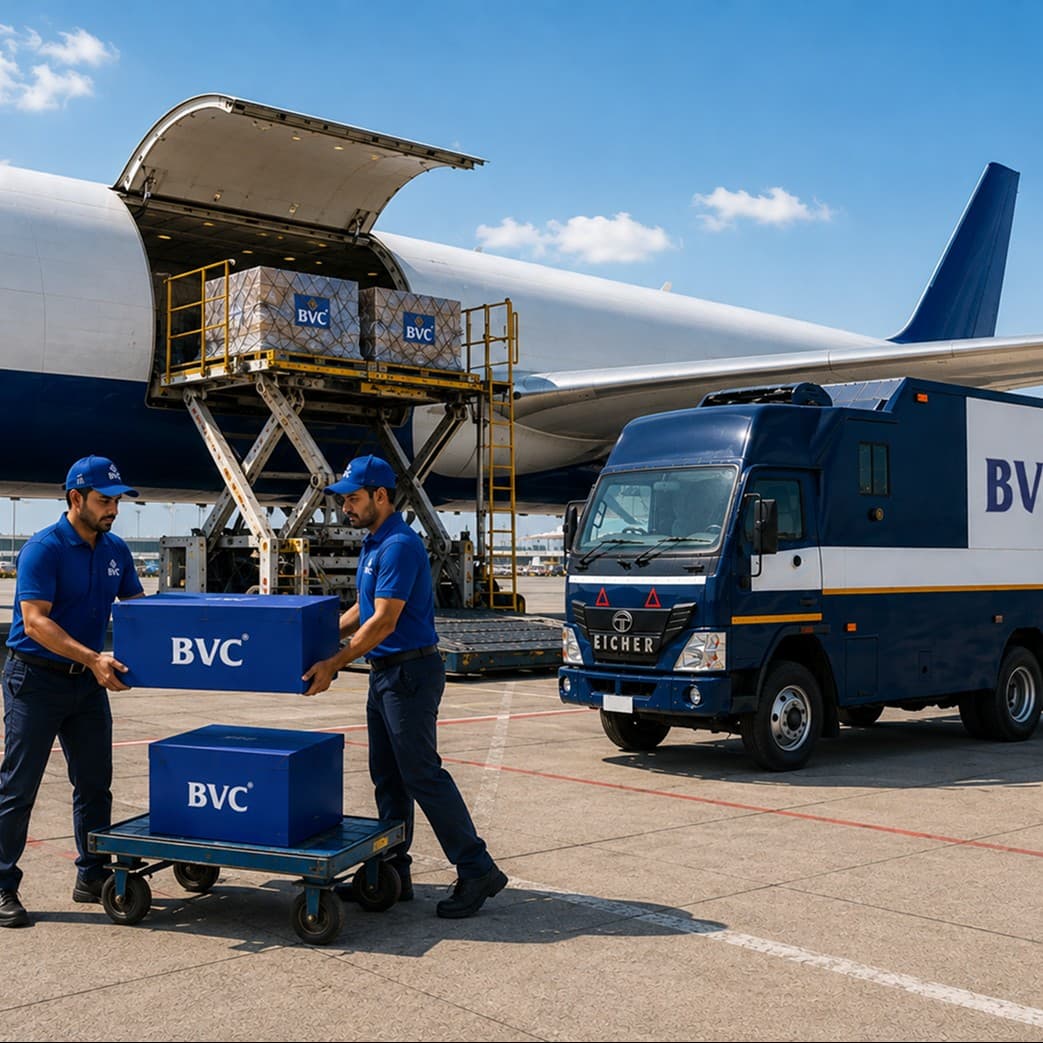
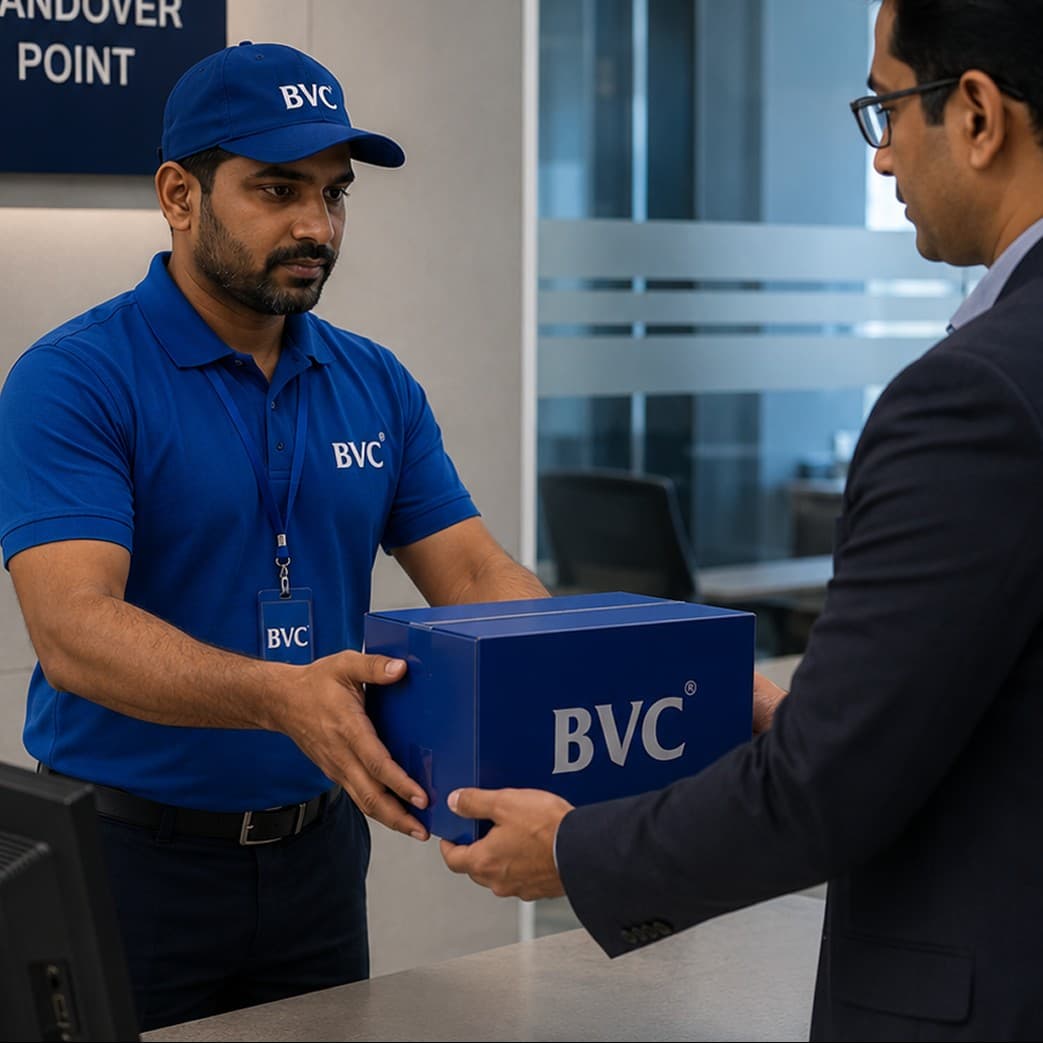
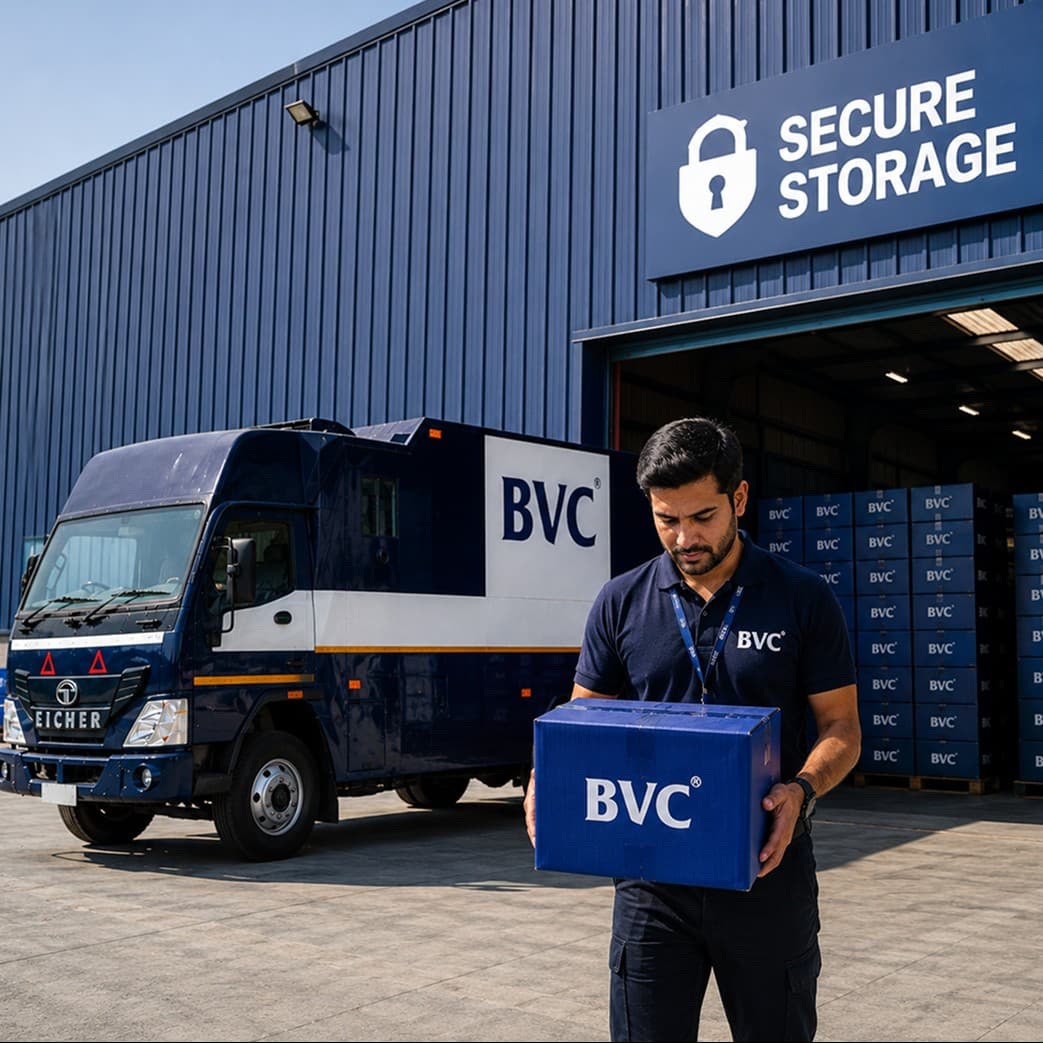
An international mining company in Botswana — or any other rough-producing region — wants its rough diamonds polished. The world's biggest polishing skill, scale and turnaround sit in India, with Surat Diamond Bourse as the main hub. So the value chain almost always runs: mine in Africa → factory floor in Surat → finished gemstones sold into local Indian markets or exported to international hubs.
Now look at how that chain is usually stitched together. A freight forwarder for the air leg. A separate broker for customs. A local transporter for the factory drop. Different paperwork at every join, different insurance scopes, different points of contact. One delay at any join, and the rough sits — at the airport, at the customs counter, at a warehouse — instead of being on a polishing wheel.
That is the real problem in rough diamond movement. It isn't transport. It's coherence. Customs that lines up with the import. Allocation that lines up with the right factories. Onward movement that lines up with the polishing turnaround. One partner running the whole chain is what turns "mine to Surat" from a project into a routine.