
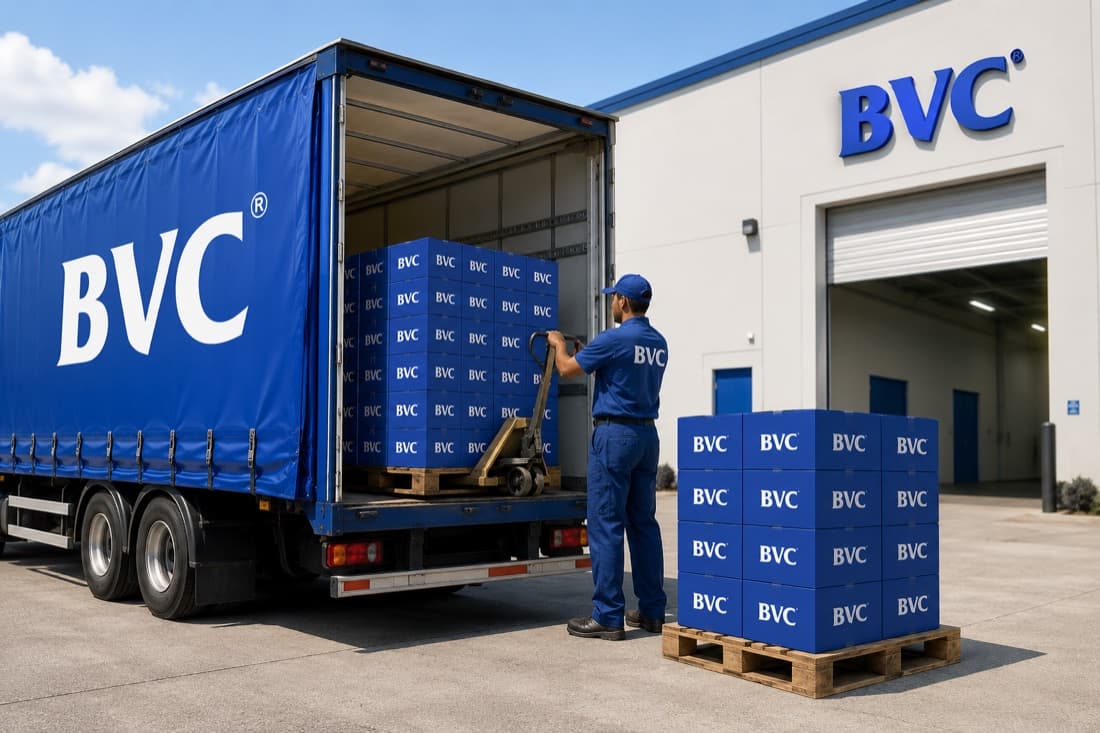
Cutting & Polishing Factory Logistics
Complete security, transparent tracking, and expert handling designed for cutting and polishing operations in India.
View More...Designed For High-Value Diamond Movements Between Manufacturers, Traders, And Accredited Certification Labs — With Full Control, Traceability, And Compliance Built Into Every Step.
Global gold standard for diamond grading. Created the 4Cs system. Accepts D-to-Z coloured diamonds, lab-grown diamonds, and pearls.
India labs: Mumbai (Bandra Kurla Complex, near BDB) · Surat
Largest certification lab by volume. Pioneer in lab-grown diamond grading. Issues natural, lab-grown, coloured stone, and jewellery reports.
India labs: Mumbai · Surat · Delhi · Ahmedabad · Hyderabad · Chennai
European standard, preferred by Antwerp-market buyers. Strict technical accuracy. Accepts diamonds, coloured stones, and finished jewellery.
India labs: Mumbai · Global: Antwerp (primary) · New York · Bangkok · Tokyo
Diamond certification logistics involves moving high-value, uniquely identifiable parcels of diamonds between manufacturers, traders, and accredited gemological labs. Every parcel has its own identity. Every movement must be traceable. And every return must match exactly — parcel for parcel, count for count, report for report.
In India, most cutting and polishing factories in Surat and Mumbai send hundreds — sometimes thousands — of stones for certification every week. A single manufacturer may submit parcels to GIA Mumbai, IGI Surat, and HRD Mumbai in the same dispatch run, each lab with its own submission format, documentation requirements, and handling protocols.
The risks in this process are specific and serious. A stone mixed with the wrong parcel at collection gets submitted under the wrong client's account at the lab — and returns with a report that does not match the original sender's invoice. A parcel delivered to the lab without the correct submission documentation is rejected at intake. A stone sent to GIA India for overseas certification and not returned within 3 months triggers a customs compliance issue under the Indian Customs circular that governs diamond import for certification and re-export.
"A diamond certificate is only as reliable as the logistics chain that surrounds it. If the stone that goes in is not verifiably the same as the stone that comes out, the certificate means nothing."
At BVC, we have built our logistics service specifically around the requirements of GIA, IGI, HRD, and other accredited labs operating in India. We understand what each lab requires at submission, how to prepare a parcel so it is accepted on the first attempt, how to track the return against the original submission record, and streamline the customs process and GST implications of sending stones to an overseas lab for grading.
Important Compliance Note — India Customs Circular On Lab Submissions
When diamonds are sent to a gemological lab in India for certification and grading under the Indian Customs circular, they must be re-exported within 3 months from the date of import. The lab (e.g. GIA/HRD India) must file a quarterly statement with Indian Customs covering all Bill of Entry numbers, diamond details, and re-export details. GST at 18% applies to grading and certification services in India. For diamonds sent overseas for grading, separate customs documentation is required for the temporary export and return. BVC manages this compliance cycle as part of our certification logistics service.
Certification logistics has specific failure points that general couriers are not equipped to handle. Here is what typically goes wrong — and what BVC does instead.
A shipment is collected and delivered as a single unit. There is no structured tracking across handovers. When a discrepancy is reported at the destination, it becomes difficult to determine at which point in the shipment journey the issue occurred.
BVC tallies shipments against documents from pickup. Each shipment is verified at every handover, with inbound and outbound counts recorded. Any discrepancy is identified immediately within the shipment flow — not after delivery.
A parcel arrives at GIA India without the required packing slip on company letterhead, or without the correct declared value in US dollars. GIA's submission guidelines require specific parcel paper per stone with shape and weight information. Non-compliant submissions are rejected at intake, delaying the entire certification batch.
We support with all submission documentation to each lab's specific requirements before the parcel leaves the client's premises. GIA India requires a packing slip with total value in USD and company letterhead. IGI requires its own intake format. We know what each lab needs and support accordingly.
Certified stones are collected from the lab and returned to the client in a consolidated batch. Without proper collection protocols, the original GIA receipt — which must be presented at pickup — is missing. The lab does not release the stones. Collection fails and is rescheduled.
We maintain the original GIA/IGI/HRD receipts as part of our custody record for each batch. Our collection teams present the correct receipt, with photo ID, at lab pickup. No collection failures due to missing paperwork. The returned parcel and its grading reports are reconciled against the original submission record before leaving the lab.
A manufacturer wants to send stones to the GIA lab in Antwerp or the HRD headquarters in Belgium for grading. There is no clear logistics pathway for the temporary export from India, the customs documentation for re-import, or the 3-month window compliance requirement.
We manage the full documentation cycle for overseas lab submissions — temporary export documentation from India, the re-import procedure when certified stones return, and the quarterly compliance statement required under the Indian Customs circular governing diamond import for certification.
A manufacturer sends both natural and lab-grown diamonds for certification in the same collection. They are handled as one batch. At the lab, natural and lab-grown diamonds must be submitted under different report types and tracked separately. Mixed handling creates confusion and report mismatches.
Natural and lab-grown diamonds are always handled as separate streams — separate parcel IDs, separate submission sets, separate return reconciliation. Labs issue different report formats for each type. Our documentation maintains this separation from collection to return delivery.
A shipment is collected and delivered as a single unit. There is no structured tracking across handovers. When a discrepancy is reported at the destination, it becomes difficult to determine at which point in the shipment journey the issue occurred.
BVC tallies shipments against documents from pickup. Each shipment is verified at every handover, with inbound and outbound counts recorded. Any discrepancy is identified immediately within the shipment flow — not after delivery.
A parcel arrives at GIA India without the required packing slip on company letterhead, or without the correct declared value in US dollars. GIA's submission guidelines require specific parcel paper per stone with shape and weight information. Non-compliant submissions are rejected at intake, delaying the entire certification batch.
We support with all submission documentation to each lab's specific requirements before the parcel leaves the client's premises. GIA India requires a packing slip with total value in USD and company letterhead. IGI requires its own intake format. We know what each lab needs and support accordingly.
Certified stones are collected from the lab and returned to the client in a consolidated batch. Without proper collection protocols, the original GIA receipt — which must be presented at pickup — is missing. The lab does not release the stones. Collection fails and is rescheduled.
We maintain the original GIA/IGI/HRD receipts as part of our custody record for each batch. Our collection teams present the correct receipt, with photo ID, at lab pickup. No collection failures due to missing paperwork. The returned parcel and its grading reports are reconciled against the original submission record before leaving the lab.
A manufacturer wants to send stones to the GIA lab in Antwerp or the HRD headquarters in Belgium for grading. There is no clear logistics pathway for the temporary export from India, the customs documentation for re-import, or the 3-month window compliance requirement.
We manage the full documentation cycle for overseas lab submissions — temporary export documentation from India, the re-import procedure when certified stones return, and the quarterly compliance statement required under the Indian Customs circular governing diamond import for certification.
A manufacturer sends both natural and lab-grown diamonds for certification in the same collection. They are handled as one batch. At the lab, natural and lab-grown diamonds must be submitted under different report types and tracked separately. Mixed handling creates confusion and report mismatches.
Natural and lab-grown diamonds are always handled as separate streams — separate parcel IDs, separate submission sets, separate return reconciliation. Labs issue different report formats for each type. Our documentation maintains this separation from collection to return delivery.
Click each step to understand what BVC does — and what India's regulatory requirements look like at each stage of the certification logistics cycle.
Diamonds are collected from the manufacturer's factory, the trader's office, or the wholesaler's premises. At the point of collection, each shipment received is matched with invoice details, sealed with unique ID and documented before the parcel leaves their custody.
For manufacturers in Surat sending to GIA Surat or IGI Surat, this is a straightforward local collection. For Mumbai-based clients sending to GIA Mumbai (Bandra Kurla Complex, near BDB) or IGI Mumbai, BVC coordinates collection and same-day delivery to the lab's intake counter.
What Happens At This Stage
Diamonds are collected from the manufacturer's factory, the trader's office, or the wholesaler's premises. At the point of collection, each shipment received is matched with invoice details, sealed with unique ID and documented before the parcel leaves their custody.
For manufacturers in Surat sending to GIA Surat or IGI Surat, this is a straightforward local collection. For Mumbai-based clients sending to GIA Mumbai (Bandra Kurla Complex, near BDB) or IGI Mumbai, BVC coordinates collection and same-day delivery to the lab's intake counter.
What Happens At This Stage
Each lab has different submission formats, turnaround times, and report types. We support the preparation of documentation in line with each lab's specific requirements.
Gemological Institute Of America
International Gemological Institute
Hoge Raad Voor Diamant
Click any card to understand what each capability means for manufacturers, traders, and wholesalers sending diamonds for certification in India.
Every parcel treated as a unique, identifiable consignment.
Certification logistics is not about moving general cargo — it is about moving sealed parcels with their own identities and complete documentation. Our handling protocols maintain complete records from client collection to lab return, with parcel-level reconciliation at every handover point.
We know GIA, IGI, and HRD's India submission requirements.
Each lab in India has its own submission format, documentation requirements, and collection protocols. BVC prepares every submission to the receiving lab's specific requirements — so nothing is rejected at intake and nothing delays the certification cycle.
Documentation aligned with each lab's intake standards.
GIA India requires company letterhead, USD-declared value, and per-parcel papers. IGI has its own format. We support with preparing lab-specific documentation packages at the client's premises — before the parcel leaves — ensuring first-time acceptance at the lab counter.
These are the compliance requirements that apply every time diamonds are sent to and from a gemological lab in India — or overseas for international grading.
Diamonds imported into India for certification and grading must be re-exported within 3 months of import. The lab (e.g. GIA/HRD India) files a general bond with Indian Customs and must submit quarterly statements covering all Bill of Entry numbers, diamond details, and re-export details. Failure to re-export within 3 months creates a customs compliance issue.
Grading, certification, and banking-related services in the gems and jewellery sector are subject to GST compliance requirements in India. This is separate from the GST applicable to diamond cutting and polishing job work. Manufacturers and traders submitting diamonds to certification laboratories in India must maintain proper GST records for lab certification charges to ensure accurate tax reporting and compliance.
GIA India operates under a specific Indian Customs circular that requires them to allot a unique control number to each imported diamond for identification, maintain a separate account for certification diamonds, and obtain GR waiver for import and re-export. Random custom audits at GIA India labs are permitted at least twice a year.
All certification labs in India are required to clearly identify whether a diamond is natural or laboratory-grown in their reports. GIA India issues digital-only reports for lab-grown diamonds. IGI issues lab-grown reports on yellow paper. Misrepresentation of a lab-grown diamond as natural is a compliance and legal risk that starts with the logistics and submission documentation.
The CBIC December 2024 notification requires specific qualifiers — origin, size, shape, type, and colour — in all import and export declarations for diamonds. For diamonds moving to and from overseas labs, these qualifiers must be included in the temporary export and re-import documentation at every stage.
GIA India specifically requires return shipment insurance details and estimated declared values to be provided at submission. For high-value stones, declared values must reflect fair market valuation. Under-declaration creates insurance gaps if a stone is lost in transit. BVC ensures declared values at submission match insured values for the entire certification cycle.
Our Industries
Complete security, transparent tracking, and expert handling designed for cutting and polishing operations in India.
View More...
Move diamonds between traders, offices, and bourses with complete security and accountability across India's trading hubs.
View More...
Whether you're moving one stone or a thousand, BVC ensures every parcel reaches its destination securely, on time, and fully documented.
View More...Everything you need to know about sending diamonds to GIA, IGI, and HRD with BVC. Can't find your answer? Reach out and our team will help.
Ask Your QuestionBy choosing BVC, diamond manufacturers can securely send stones to GIA, IGI, and HRD with tamper-evident handling, tracked transit, lab-specific documentation support, and complete chain-of-custody control.
We work with mining operators, exploration companies, and trading houses across India's diamond supply chain.